
Benefits of Front Squats for Strength
You’ve probably asked yourself, “Should I do front squats?” And, honestly, you might have put them off. According to Garage Strength, front squats rank fourth among the best exercises, but many beginners find them hard. They worry they can’t keep the right body position under the weight.
But when done correctly, front squats offer massive benefits for strength, stability, and muscle growth. They are one of the most effective moves for building quads, glutes, and core strength, and we can’t just ignore them.
Let’s find out why do front squats are regularly performed and answer the most common questions about this exercise.

What Is a Front Squat?
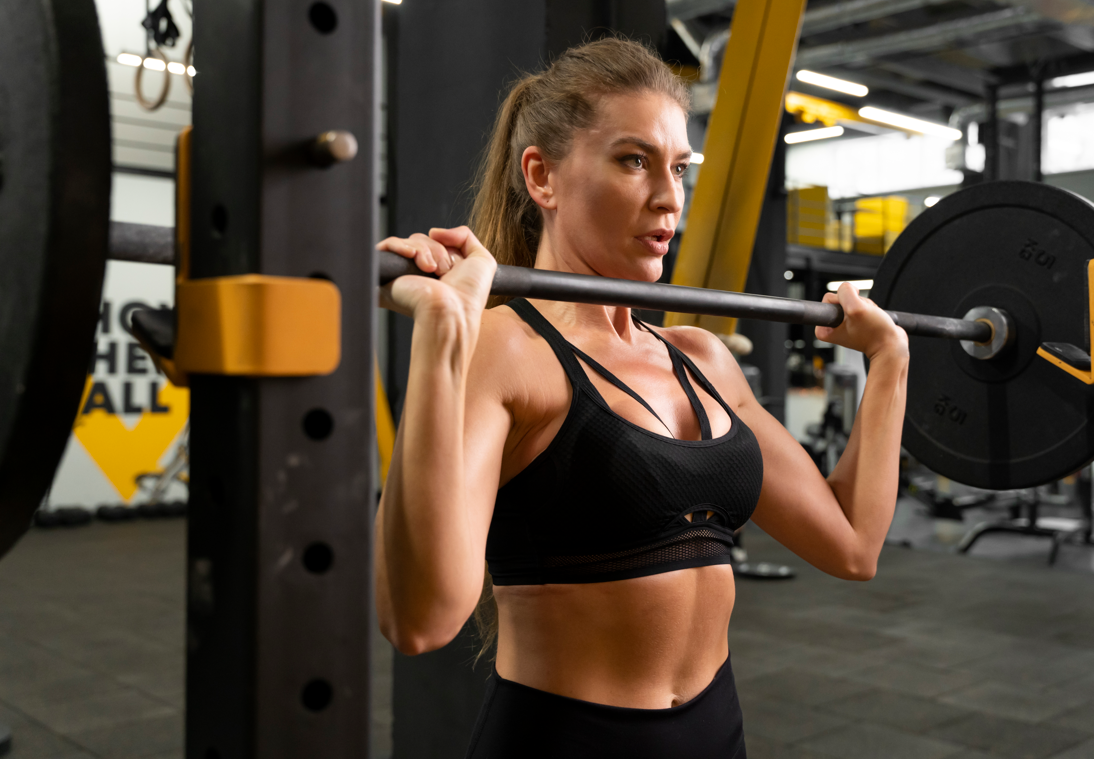
A front squat is a type of squat where you hold a weight bar on the front of your shoulders. This position keeps your torso upright and targets your quads and core safely. The exercise also works your glutes, chest, and upper back, helps improve posture, and strengthens your core.
Why are front squats so popular?
Front squats started in Olympic weightlifting in the early 1900s. Athletes used them to practice holding a barbell steady on their shoulders while lifting it to the chest. This helped them stay balanced and strong during lifts.
Now, front squats are everywhere. CrossFit athletes, bodybuilders, and weightlifters all add them to their training programs. They build strength, make other exercises easier, and help you stay in the right position when squatting. In fact, athletes do front squats 1–3 times per week, according to CrossFit training publications.
What is the front squat technique?
Many avoid front squats because they worry about their knees or back. In reality, serious injuries happen very rarely, around 2–3%. So before we dive into what do front squats do, let’s figure out the proper technique:
- Place the barbell on your front delts, keeping your elbows high in front of you
- Keep your feet shoulder-width apart (about 40–50 cm)
- Ensure your knees track over your feet, not extending past your toes
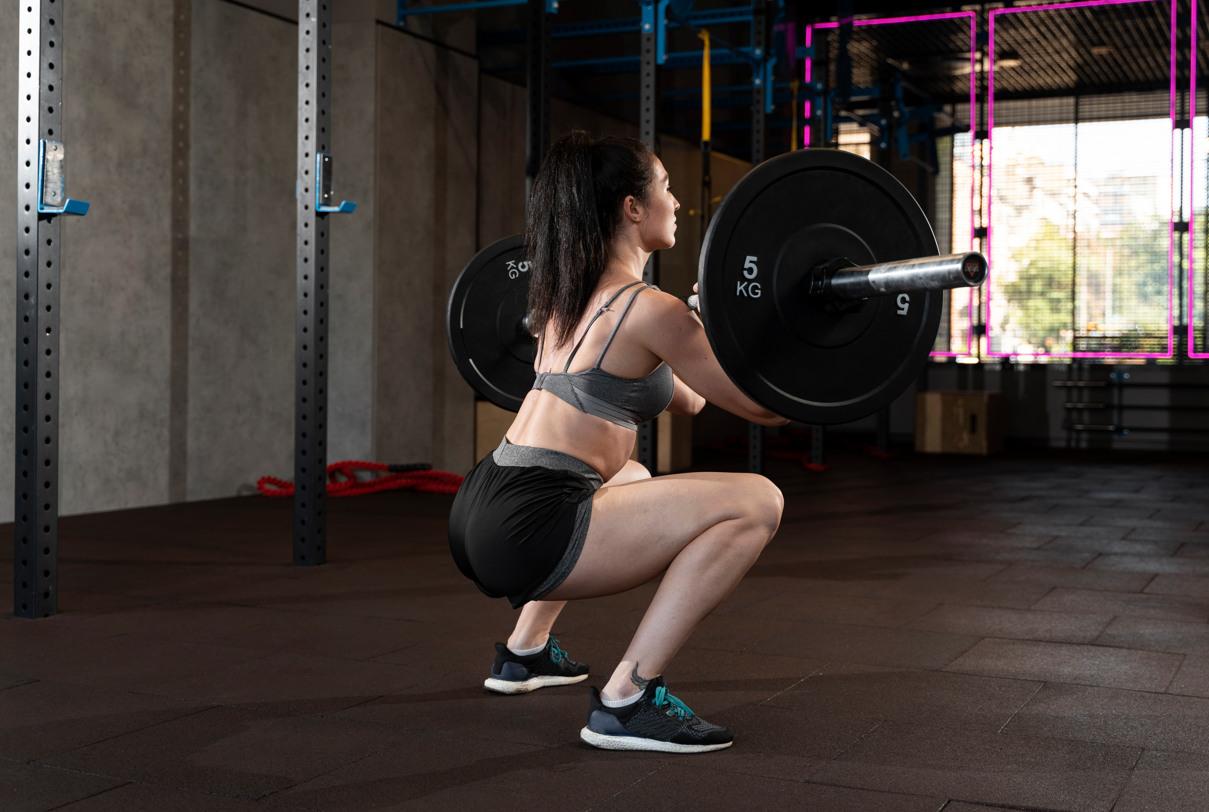
- Lower down until your knees form a 90–100° angle
- Keep your chest open, back straight, and core tight
- Take 3–5 seconds to lower, and 1–2 seconds to lift back up
The timing of every repetition depends on your training. Following these rules minimizes injury risk and gives you the maximum benefits of front squats.
Front Squats Benefits
The main benefit of front squats is that they hit your quads hard and put less stress on your lower back. This means your back stays safe, and your legs and abs undergo serious work. But that’s not the only advantage, so let’s find out what are front squats good for.
Improved Quad Strength
Front squats focus on the quads and create more tension in the muscles than regular squats. Although you usually lift less than in back squats, front squats work your quads harder. Build real leg power by doing 3–4 sets of 8–12 reps, 2–3 times a week.
Increased Flexibility and Mobility
Squatting with bent knees and a slightly tilted pelvis stretches the ankles, hips, and lower back. Over time, this improves joint movement and reduces the chance of injuries during other exercises.
Improved Posture
Holding the chest up and back straight trains the upper back to stay strong. Regular training supports the spine and controls the body position, making standing and moving easier.
Stronger Abdominal Muscles
Front squats activate the torso muscles through the entire lift. The abs support the weight and stabilize the body, improving control for dynamic training and balance-heavy exercises.
Decreased Chances of Lower Back Pain
Using proper technique positions the back straight and unloads pressure on the lower spine. Athletes who practice front squats regularly report significantly less lower back discomfort, letting them train more safely.
Tip for beginners: Start with classic front squats using a barbell. They help you refine your technique and learn how to distribute the load properly. When you need more control over the movement or want to train more safely, use variations like dumbbells or the Smith machine.
As you can see, there are plenty of options available with different weights and techniques. So, you can confidently include squats in your fitness training at least once a week to get the right results. You’re probably eager to try them now, knowing what do front squats help with.
Frequently Asked Questions
How to do front squats?
Place the bar on your front delts. At the same time, keep your elbows high, chest facing forward, and feet shoulder-width apart. Lower yourself until your knees reach a 90–100° angle, hold your back steady, and activate your core. Rise back to the starting position.
Are front squats better than back squats?
Yes. They load the quadriceps more and reduce pressure on the lower back.
What muscles does the front squat work?
The front squat primarily works the quadriceps, glutes, and core muscles. The upper back also engages to stabilize the body during the squat and help control your position.
Are squats supposed to hurt the front of your thighs?
No, squats are not supposed to hurt the front of your thighs. It’s ok to feel mild discomfort. However, sharp pain would mean that one is using the wrong form or perhaps lifting too much weight.
Do I have to squat to increase my leg strength?
No, squats are not the only way to strengthen your legs. You’d better combine front squats with lunges, deadlifts, and leg presses for maximum effect.
