
Is Cheese Good for Weight Loss? Find Out Here

If you decide to lose weight, you’ve probably wondered which foods you can eat and which ones you should avoid. Cheese is among the most widespread ingredients in the world. However, most people consider it unsuitable for a diet because it’s high in fat and calories.
However, everything is not so clear-cut. Let’s delve deeper to determine whether cheese and weight loss are compatible and which varieties you should prefer.
Can You Eat Cheese on a Diet?
If you are searching for an exact response to the question, then yes, cheese is permissible during a diet. It is one of the dairy products that is suitable for following a healthy eating program.
Consuming cheese itself will not help you lose weight faster. However, it can still fit perfectly into a balanced diet.
Furthermore, cheese is a superb source of vital nutrients such as protein, calcium, and vitamins A and D. These nutrients are important for supporting muscle health, bone strength, and overall well-being.
The truth is, cheese should be eaten in moderation. You don’t have to eliminate it entirely, but you shouldn’t overeat it either. The speed of your weight loss depends on many factors, and cheese is unlikely to have the greatest impact.
Benefits of Including Cheese in a Weight Loss Diet
In most cases, you can safely include cheese in your diet during a weight loss program. This approach has many advantages.
Firstly, cheese is a source of a good amount of protein. We need it to preserve muscle tissue during a period when our body is actively losing weight.
Secondly, certain types of cheese contain nutrients that can improve metabolism and digestion, positively affecting our well-being. Their calcium and healthy fats can also assist in lowering cholesterol and minimizing the risk of heart disease.
Thirdly, cheese increases the feeling of satiety. Thanks to this, we can eat smaller portions but feel full and energetic much longer.
Moreover, a balanced nutrition without extreme restrictions has a positive emotional effect. People who do not forbid themselves from eating a few pieces of cheese find it easier to cope with long-term dieting.
So, can cheese help you lose weight? The answer depends on several factors. Cheese is a nutritious source of protein. However, it is not an all-in-one solution that can replace exercise, healthy sleep, and a low-calorie menu.
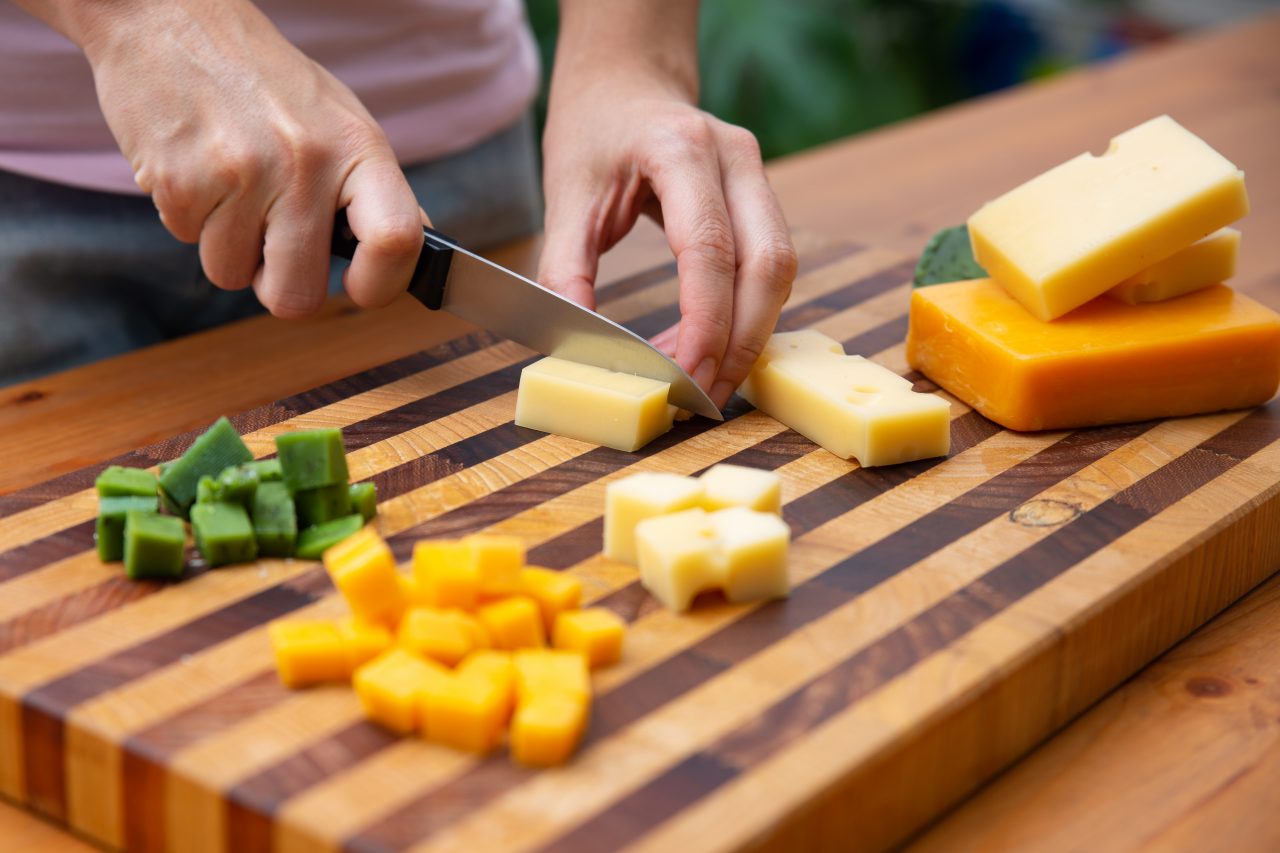
What To Look For in a Cheese for Weight Loss
While most cheeses are healthy, not all of them will fit into your diet. When choosing the best cheese for fat loss, consider the following details:
- Protein content: Different сheeses can vary in protein, and serve as a meal or a topping for certain recipes. Make your choice based on the need to support your minimum daily protein intake.
- Calorie content: Some cheeses contain more calories, while others contain fewer. Calculate the calorie content according to how many calories you should consume during the day.
- Fat content: Typically, cheese contains fat, but there are also low-fat and fat-free options. Since fats should also be present in our diet, choose cheese that has a moderate fat index.
If you’re choosing between parmesan and cottage cheese, give preference to the one that contains more benefits than calories. Read labels carefully to choose those options that will help you not exceed the daily product limit.
The Best Cheeses Weight Loss
The search for the best or healthiest cheese for weight loss can be tricky. There is a wide variety of cheeses that you can try without compromising your efforts to get your dream figure. Here is a short list of proven options that will bring benefits without adding extra pounds to the scale.
Mozzarella
Mozzarella is one of Italy’s most famous cheeses. You can buy it in the form of a bar, balls, or grated slices. It has a soft texture, melts well, and is low in calories. It also has a high protein content that will help you maintain muscle shape. You can consume it as a standalone product or add it to pizza, salads, and various casseroles.
Cottage Cheese
Cottage cheese can have different fat and calorie content, so it can be the best cheese for losing weight. It has a high concentration of protein and calcium and can serve as a low-calorie and nutritious snack. It suits various weight loss programs and aids in managing hunger throughout the day. You can eat it with fruits or berries for better satiety or taste.
Ricotta
Many people don’t consider ricotta a true cheese because manufacturers make it from a byproduct of cheesemaking. However, from a culinary perspective, ricotta is a cheese similar to mascarpone or other cream cheeses. It comes from whey and is high in protein. It has a soft texture and is popular in a variety of diet-friendly dishes. You can use ricotta to make pasta, toast, and baked recipes.
Feta
Feta is a distinctive cheese with a tangy flavor that is relatively low in fat and can be a good source of protein. It is a soft or semi-soft cheese that is lower in calories than many other types. People most often use feta to prepare a salad, but they also add it to cooked vegetables, cereals, pies, omelets, and casseroles.
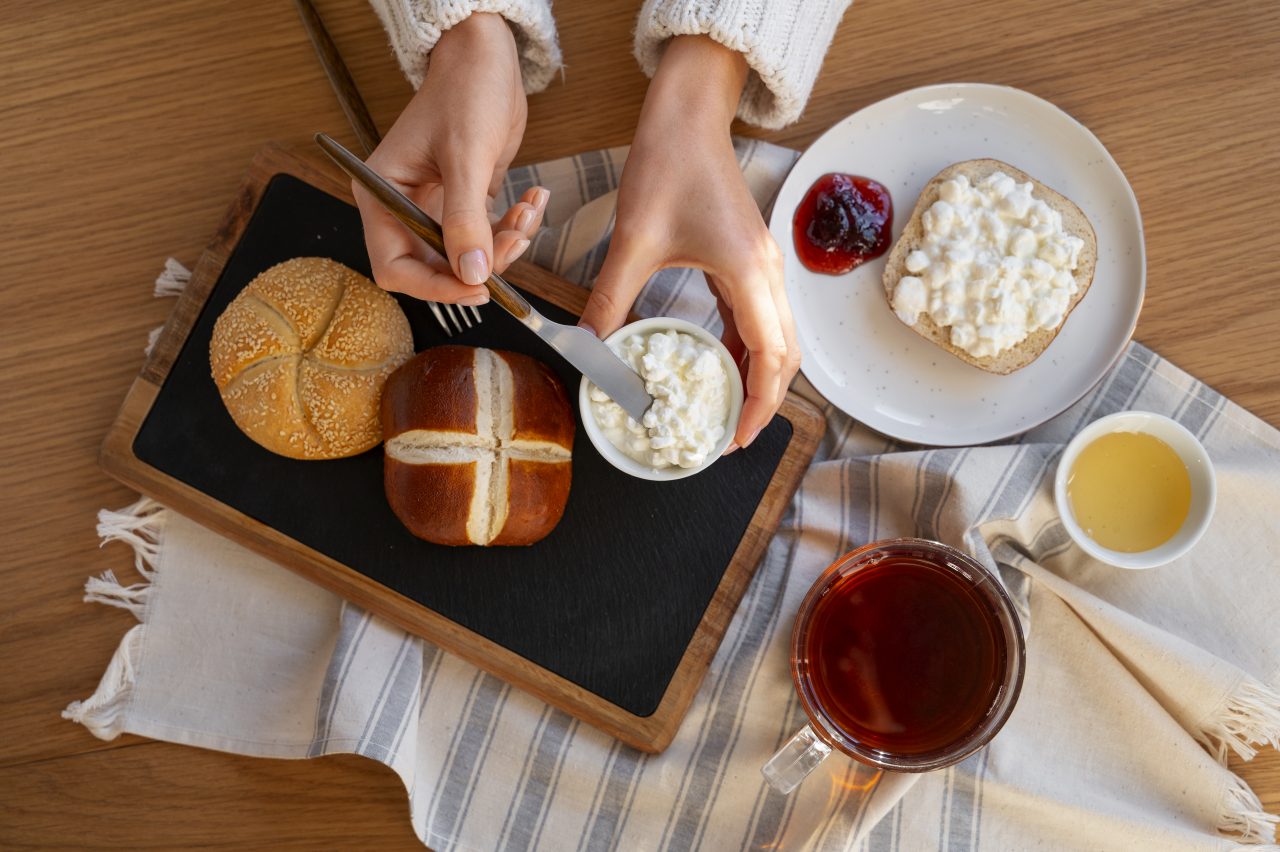
Tips for Adding Cheese to Your Diet
Your weight loss while eating cheese depends on whether you consume it properly.
Below are some tips on how to eat cheese for weight loss:
- Choose the most suitable type of cheese. Check the calorie, protein, and fat content, and alternate different varieties for a more balanced diet.
- Control portion sizes. A serving of cheese should be about 40g. If you want to go beyond the limit, adjust the meals accordingly.
- Diversify the ways of consuming cheese. Try cottage cheese as a snack, add feta to salads or eggs, or include ricotta in baked dishes.
- Pair cheese with whole grains and fiber. Such a tandem will increase your satiety and contribute to better digestibility of microelements.
- Keep cheese fresh. Store it in the refrigerator in an airtight container. The average shelf life of unwrapped cheese is about 2 weeks.
To sum up, dieting doesn’t mean giving up your favorite foods. Your weight loss journey will be faster and easier when you watch your portions and stay active.
Conclusion
Many people urge giving up cheese when trying to lose weight, but avoiding it is nothing more than a myth. Cheese is a healthy dairy product that contains protein and calcium. We need them to maintain healthy muscles, bones, and teeth.
Excluding cheese from the diet, as well as its increased consumption, will not have a critical impact on fat loss.
Before deciding whether cheese fits into a weight loss plan, you should understand how it can support your goals.
So, is cheese good for weight loss? Indeed, it has a lot of advantages that you should think about before refusing it. Since it is nutrient-dense, it helps us suppress our hunger when we are eating less. Additionally, it makes the diet much easier to follow by enhancing the flavor of many dishes.
Don’t deny yourself if you enjoy cheese. However, keep in mind that the ideal daily amount is modest, and you shouldn’t exceed it. In addition, pay attention to cheeses that are more suitable for a diet.
Frequently Asked Questions
Is cheese a forbidden food during a diet?
No, you can eat cheese while losing weight. It contains important nutrients that support our health. The only serious contraindications to eating cheese are personal allergic reactions and intolerance to dairy products.
What cheese can I eat without disrupting my weight loss program?
You can enjoy any type of cheese while losing weight, just be mindful of portion sizes. The recommended amount is about 35–40 grams per day.
Which cheeses are best for dieting?
There’s no single answer, as most of them can be part of a healthy diet. However, the least caloric are cottage cheese, mozzarella, feta, and ricotta.
